
Last summer, a driver named Mike noticed something unusual during his afternoon commute.
The temperature gauge started climbing, but his coolant level looked completely normal. He assumed it was just a sensor problem and continued driving.
Ten minutes later, his car lost power on the side of the highway.
When the mechanic checked the vehicle, the problem wasn’t low coolant. A failing thermostat had stopped coolant from circulating properly, causing the engine overheating issue.
This is a common mistake many drivers make: they check one thing, see that it looks fine, and assume the cooling system is working.
But a vehicle’s cooling system is like a team. If one part stops working, the entire system can struggle.

Car Overheating Explained: What Causes It and How to Prevent It
The Cooling System Problems Most Drivers Don't Notice Early
Your engine produces extreme heat every time you drive. The cooling system’s job is to control that temperature and prevent damage.
When something goes wrong, you may experience car overheating while driving.
Some of the most common car overheating causes include:
| Problem | What Happens |
|---|---|
| Low coolant | The engine cannot release heat properly |
| Blocked radiator | Heat cannot escape efficiently |
| Faulty thermostat | Coolant flow becomes restricted |
| Damaged water pump | Coolant circulation becomes weak |
| Cooling fan failure | Less airflow reaches the radiator |
One interesting thing many drivers discover too late is that overheating does not always mean the coolant is empty.
A common question mechanics hear is:
“Why is my car overheating but coolant is full?”
The answer is usually somewhere else in the system.
A full coolant reservoir does not guarantee the coolant is circulating correctly.
A Real Example: When a Full Coolant Tank Wasn't the Problem
A customer brought in a 2018 SUV after noticing the temperature rising during traffic but returning to normal on the highway.
At first, he thought it was a coolant issue because the reservoir was full.
After inspection, the problem was a weak cooling fan.
At higher speeds, natural airflow helped cool the radiator. But during slow city driving, the damaged fan couldn't move enough air, causing the temperature to rise.
This is why understanding your vehicle’s behavior matters.
When does overheating happen?
- Only during traffic?
- Only on highways?
- Only when using the air conditioner?
- Only after long drives?
These details often reveal the real cause.

Here's What Every Driver Should Check First
Don't Ignore the First Warning Signs
Many serious engine repairs begin with small symptoms.
Common overheating engine symptoms include:
- Temperature gauge moving higher than normal
- Steam coming from under the hood
- Strange smells
- Reduced engine performance
- Warning lights appearing
If your car begins overheating, the safest action is:
- Pull over safely.
- Turn off the engine.
- Allow the vehicle to cool down.
- Never open the radiator cap while hot.
Opening a hot cooling system can release dangerous pressure.
Simple Checks That Can Help You Understand the Problem
Before calling for help, drivers can safely inspect:
- Visible coolant leaks
- Damaged hoses
- Loose connections
- Warning lights
- Unusual sounds
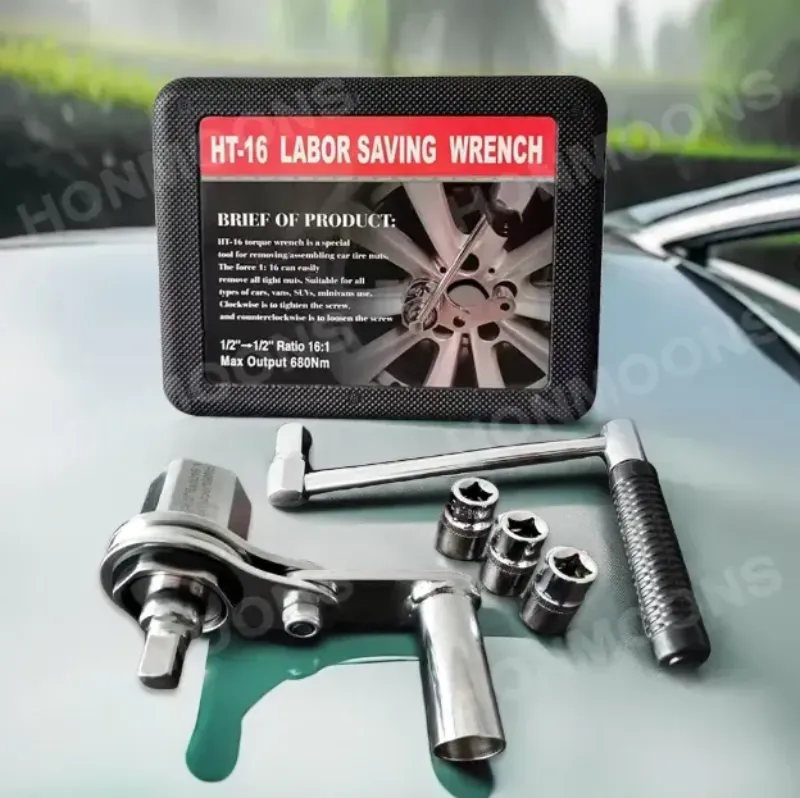
Having basic automotive tools available can make these situations easier to handle.
Honmoons creates practical auto tools and accessories designed for everyday vehicle owners, including emergency equipment, maintenance tools, and garage solutions that help drivers stay prepared when unexpected problems happen.
A tool kit won't fix an overheated engine on the roadside, but being prepared can help you inspect problems, stay safe, and communicate better with a mechanic.
What Happens When a Car Overheats? Signs, Causes, and Prevention
Why Ignoring Overheating Can Become an Expensive Mistake
Some drivers continue driving because the car still moves.
That is one of the most damaging decisions.
An overheating engine can cause:
- Damaged head gasket
- Warped engine components
- Reduced engine performance
- Complete engine failure
A small cooling issue can become a major repair bill if ignored.
The Maintenance Habits That Prevent Engine Overheating
Preventing overheating does not require advanced mechanical skills.
Simple habits make a big difference:
Check Coolant Regularly
Low coolant is one of the easiest problems to prevent.
Watch for Leaks
Small leaks often become bigger problems over time.
Pay Attention to Temperature Changes
Your temperature gauge is one of your vehicle’s earliest warning systems.
Keep Basic Tools Available
Drivers who perform basic maintenance should consider having:
- Inspection tools
- Emergency warning equipment
- Basic repair tools
- Cleaning and maintenance accessories
A prepared garage helps drivers handle small issues before they become expensive repairs.

FAQ
Can a car overheat even when coolant is full?
Yes. Problems like thermostat failure, radiator blockage, or water pump issues can cause overheating even with enough coolant.
What should I do immediately if my car overheats?
Pull over safely, turn off the engine, and allow it to cool before checking anything.
What are common signs of cooling system problems?
Rising temperature, coolant leaks, unusual smells, steam, and warning lights are common signs.
Can regular maintenance prevent engine overheating?
Yes. Checking coolant, inspecting components, and fixing small issues early can reduce the risk of overheating.
What tools should every car owner keep?
Basic inspection tools, emergency equipment, and maintenance tools can help drivers stay prepared for unexpected situations.